

Our commitment to biodiversity: responsible tanning
In the fashion and leather industry, talking about sustainability also means talking about biodiversity. Every production decision, in fact, can have a direct impact on ecosystems, natural resources, and the environmental balance. For this reason, now more than ever, responsible tanning is a key element in building a more sustainable future.
Sustainable tanning as an ally of the environment
When it operates in accordance with ethical and sustainable principles, the Italian tanning industry serves as a shining example of the circular economy. The hides used in the tanning process are derived from food industry waste, thereby recovering materials that would otherwise be disposed of as waste. This approach helps reduce waste and limit the consumption of new resources.
Protecting biodiversity also involves reducing the environmental impact of production processes. That is why Del Vacchio continuously invests in innovative technologies designed to optimize energy consumption and emissions, conserve natural resources, and improve production efficiency.
Reducing waste to protect ecosystems
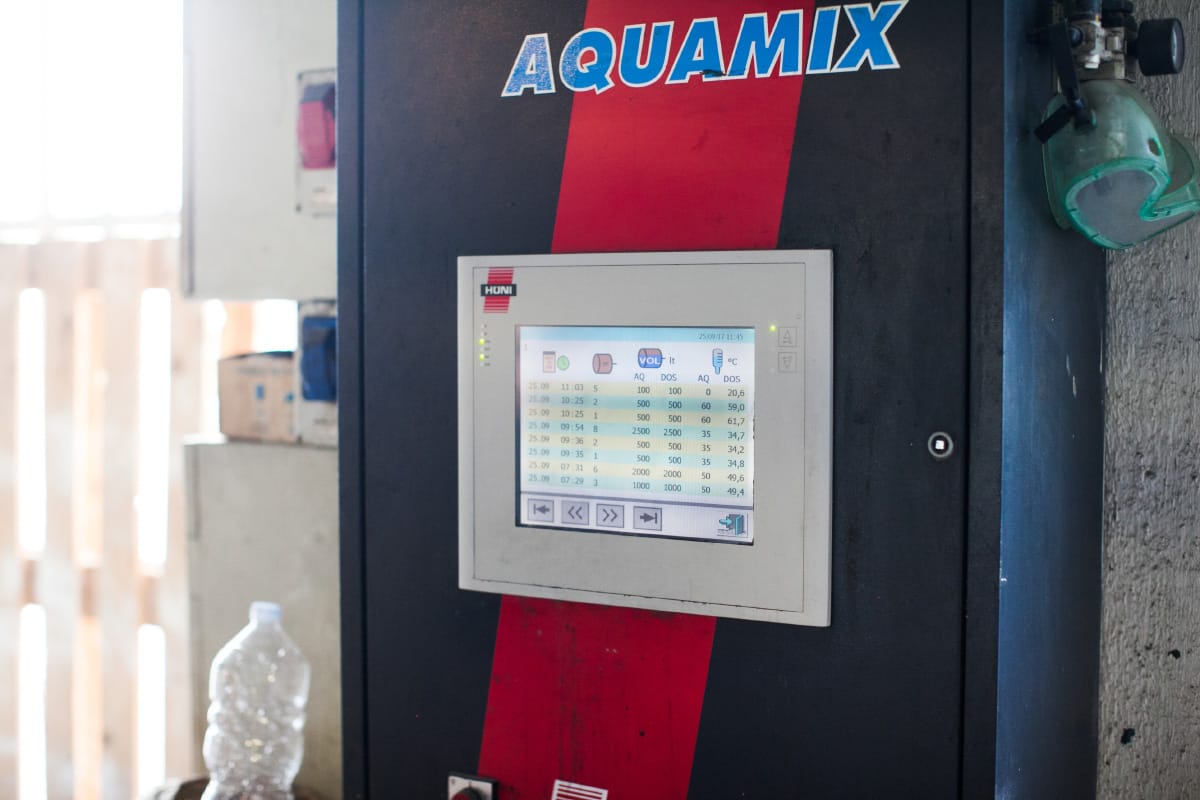
Water, air, and energy are precious resources that must be protected through responsible use. One of the most important aspects of sustainable tanning is water management. Del Vacchio has implemented the Swiss AQUAMIX system, an advanced technology that reduces water consumption by 20–30%, making a tangible contribution to the conservation of water resources.
Air quality also plays a central role in protecting biodiversity. By using advanced technologies and water-based formulations, the company is progressively reducing emissions of volatile organic compounds (VOCs), thereby improving the sustainability of the entire production cycle.
At the same time, the use of energy from renewable sources helps limit CO2 emissions and combat climate change, one of the main threats to global biodiversity. Our solar power system has already led to a significant reduction in emissions, confirming the company’s concrete commitment to a more responsible production model.
Green tanning and controlled chemistry
Protecting biodiversity also requires safer and more responsible management of chemicals. We are progressively adopting green tanning processes free of heavy metals, gradually replacing chrome tanning with vegetable tanning and metal-free white tanning.
Vegetable tanning uses natural extracts and reduces the use of pollutants, while metal-free technology eliminates the problem of waste containing heavy metals. Furthermore, compliance with REACH and ZDHC MRSL protocols ensures strict control over the chemicals used throughout the production process.
Circular economy and waste recovery
One of the cornerstones of responsible tanning is the ability to transform waste into new resources. We adopt a circular production model that makes use of tanning by-products, directing them toward recovery and reuse processes.
Leather scraps are turned into gelatin for food use or organic fertilizers for agriculture, while other materials are repurposed in various industrial sectors. This approach drastically reduces waste and minimizes the environmental impact of production.


A daily commitment to the future
Protecting biodiversity means taking responsibility for our production choices. At Del Vacchio, sustainability and innovation are integral parts of a long-term vision, where artisanal quality and respect for the environment coexist harmoniously.
Responsible tanning is not only a necessity for the present, but a concrete choice to preserve the future of the planet, its resources, and future generations.