


Leather in the future: sustainability, recycling and alternative materials
The future of the tanning industry rests on an increasingly important balance between quality, innovation and sustainability. New market demands and a growing focus on environmental impact are transforming production processes, encouraging the development of more efficient technologies, the recovery of resources and the search for alternative materials. Against this backdrop, Del Vacchio Leather is investing in innovative solutions to enhance the value of leather and contribute to a more responsible production model.
Sustainability and innovation in tanning
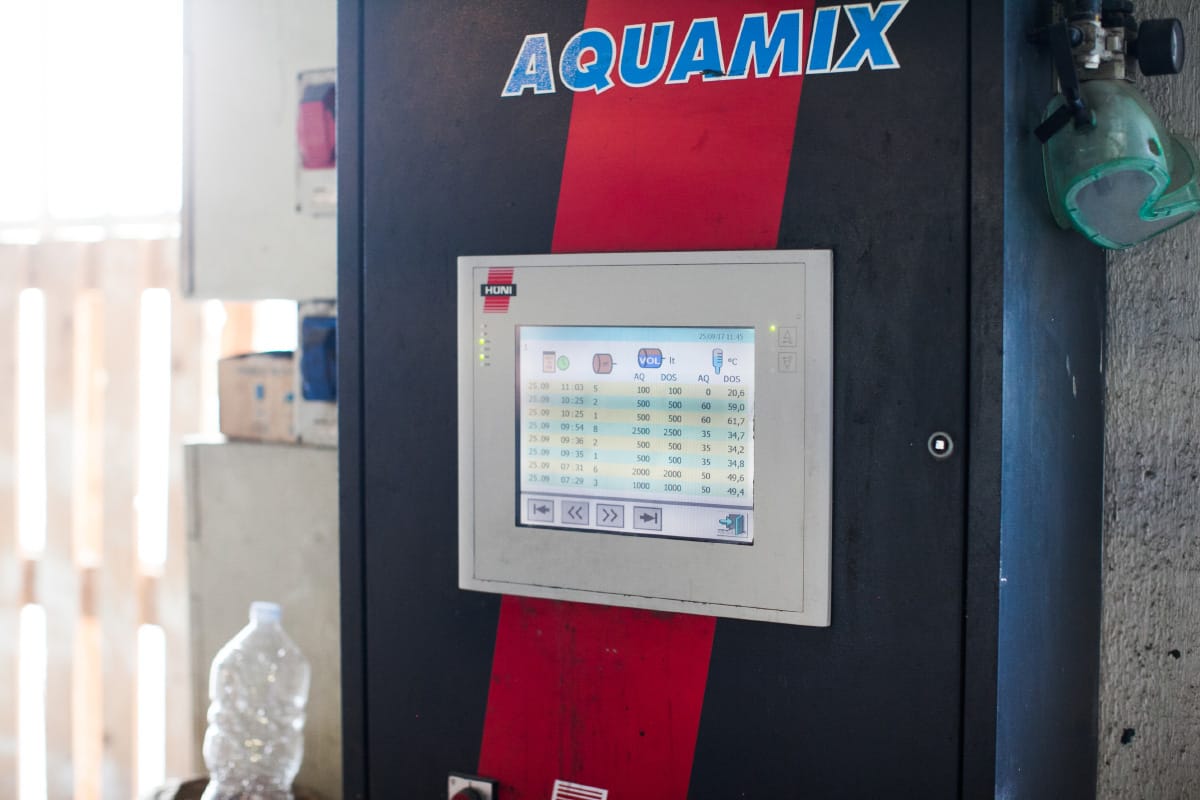
Reducing water and energy consumption, limiting emissions and optimising the use of raw materials are key objectives for the sector’s development. Del Vacchio Leather tackles these challenges through practical solutions, such as the AQUAMIX system, which reduces water consumption by 20–30 per cent, and the use of renewable energy sources. Technological innovation thus makes it possible to improve production efficiency without compromising on the quality of the leather.
Circular economy: turning waste into resources
One of the tanning industry’s key strengths is its ability to make the most of a by-product of the food supply chain, transforming it into a durable and versatile material. But the circular economy does not stop there: even processing residues can be recovered and channelled into other production processes. Del Vacchio Leather promotes this approach by recovering tanning waste, which is used, amongst other applications, in the production of gelatine and organic fertilisers. Responsible management of materials helps to reduce waste and make better use of available resources.
Alternative materials and new perspectives
Alongside traditional leather, the market is exploring alternative materials derived from plant-based sources and biomass. These solutions offer new opportunities, but it is important to carefully assess their sustainability: not all plant-based materials are biodegradable or easily recyclable, particularly when they contain synthetic coatings and components.
The real challenge lies in taking into account the entire product life cycle, from production to disposal, without compromising on quality and durability. From this perspective, even traditional leather can contribute to more responsible consumption thanks to its durability and the ability to create products that are built to last.
The future of leather according to Del Vacchio
The future of the tanning industry will depend on its ability to combine manufacturing tradition with sustainable innovation. For Del Vacchio Leather, this means investing in process improvements, reducing environmental impact and making the most of raw materials.
Because the leather of the future will be distinguished not only by its quality, but also by the responsible way in which it is produced and the value it retains over time.