

How SMEs in the tanning sector ensure quality and sustainability
The Italian tanning industry is recognised worldwide for the quality of its leathers, but its value extends far beyond the excellence of the product. Today, in fact, it is primarily small and medium-sized enterprises that are demonstrating how it is possible to combine traditional craftsmanship, technological innovation and environmental sustainability. Thanks to careful resource management, ongoing investment and a highly controlled supply chain, SMEs are at the heart of a production model capable of creating value whilst respecting the environment and people.
SMEs: the driving force behind the ‘Made in Italy’ leather industry
The strength of the Italian tanning sector lies precisely in its production structure, which consists mainly of highly specialised small and medium-sized enterprises. These businesses, whilst retaining a family-run or local character, constantly invest in research, technology and training.
This organisational structure allows for greater production flexibility, direct quality control and the ability to respond swiftly to the demands of international markets, whilst remaining true to the values of Italian manufacturing.
Innovation and sustainability go hand in hand
Italian tanning SMEs have demonstrated that investing in innovation also means reducing environmental impact. New machinery, process automation, monitoring systems and digital technologies now make it possible to optimise the consumption of water, energy and raw materials, whilst at the same time improving the quality of the leather.
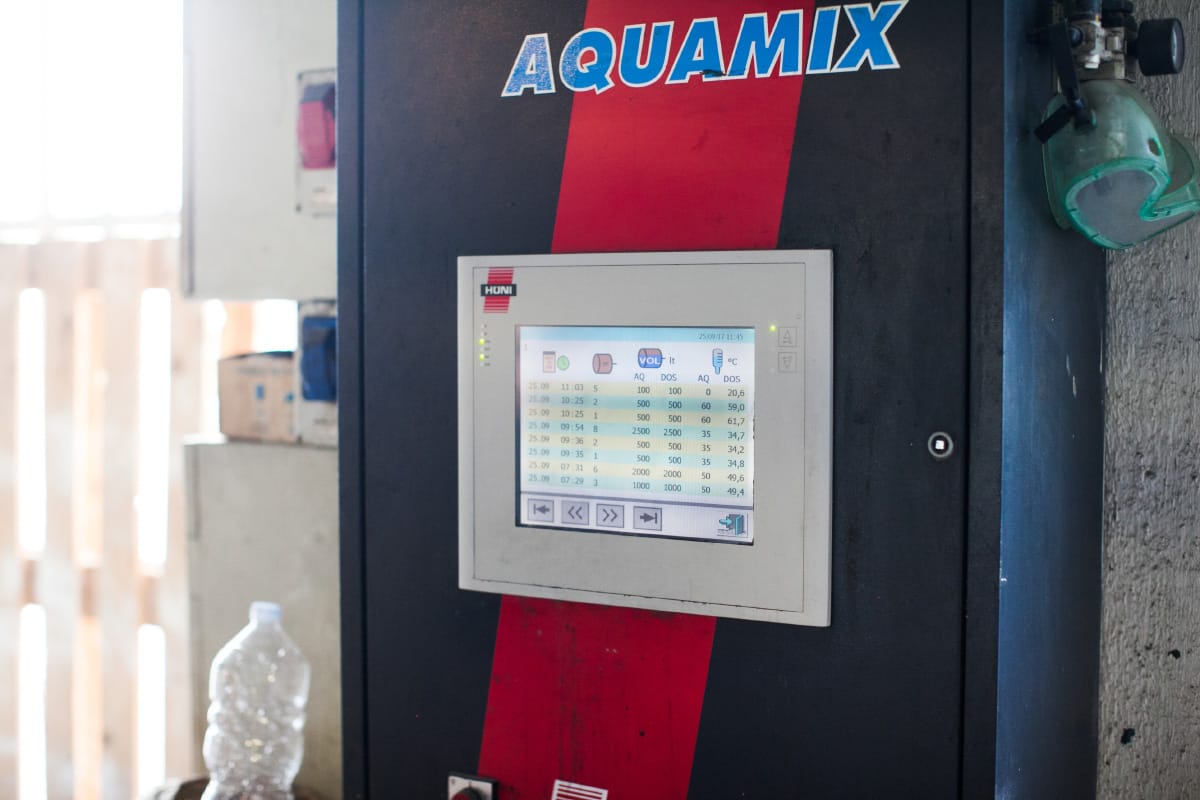
At Del Vacchio, this approach translates into ongoing investment in sustainable technologies, such as the AQUAMIX mixing and dosing system, which reduces water consumption by 20–30 per cent, as well as the use of energy-efficient equipment and renewable energy sources to cut CO₂ emissions.
The circular economy as a production model
One of the factors that sets the Italian tanning industry apart is its ability to put the principles of the circular economy into practice. The hides used in the tanning process do not come from livestock raised specifically for leather production, but are recovered as a by-product of the food industry which would otherwise end up as waste.
Even production waste is put to good use through recovery processes that transform it into new resources, such as organic fertilisers, gelatine for food use or materials for other manufacturing sectors. This reduces waste and limits the use of new raw materials, making a tangible contribution to environmental protection.
Quality also means traceability
For an Italian SME, quality is not solely about the appearance or performance of the leather. Above all, it means understanding every stage of the manufacturing process and ensuring maximum transparency throughout the entire supply chain.
Del Vacchio uses advanced IT systems that track every production batch, verifying the origin of the hides and documenting every stage of the tanning process. Traceability thus provides a guarantee for both the end customer and all operators in the supply chain, reinforcing the value of ethical and responsible production.

Del Vacchio Leather: quality, people and a sustainable vision
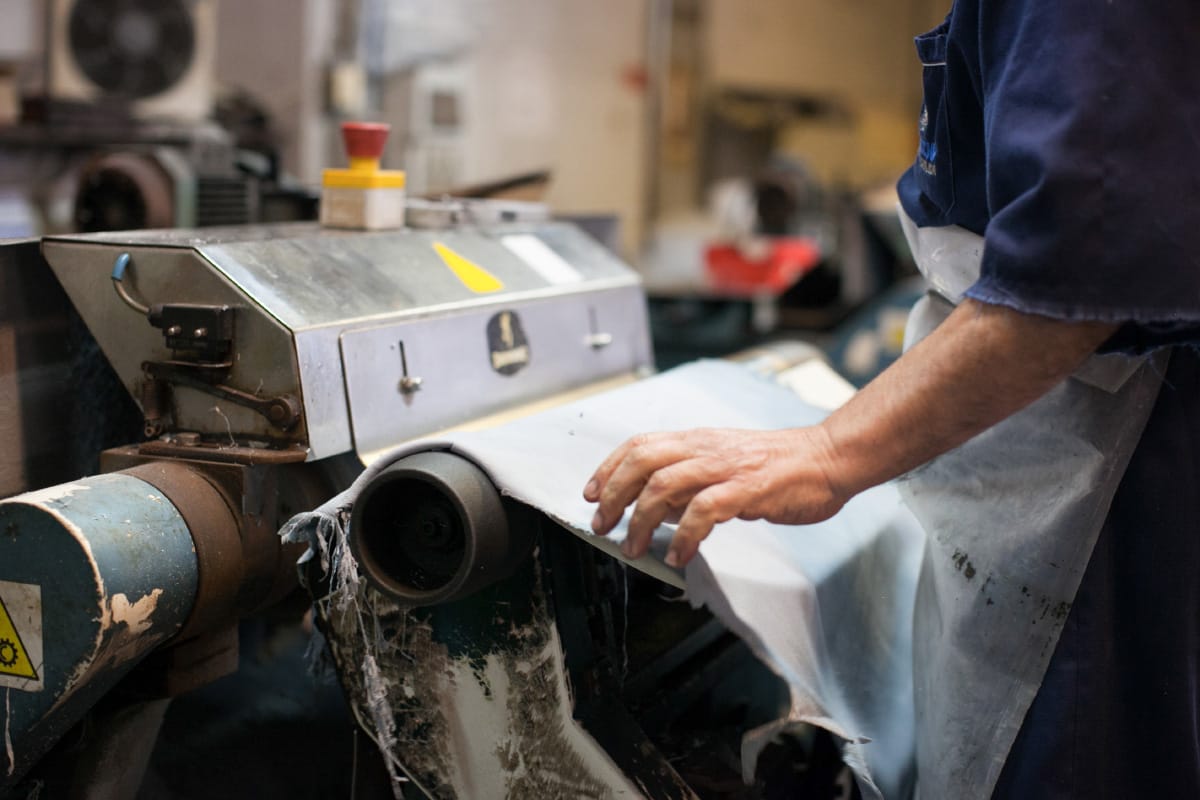
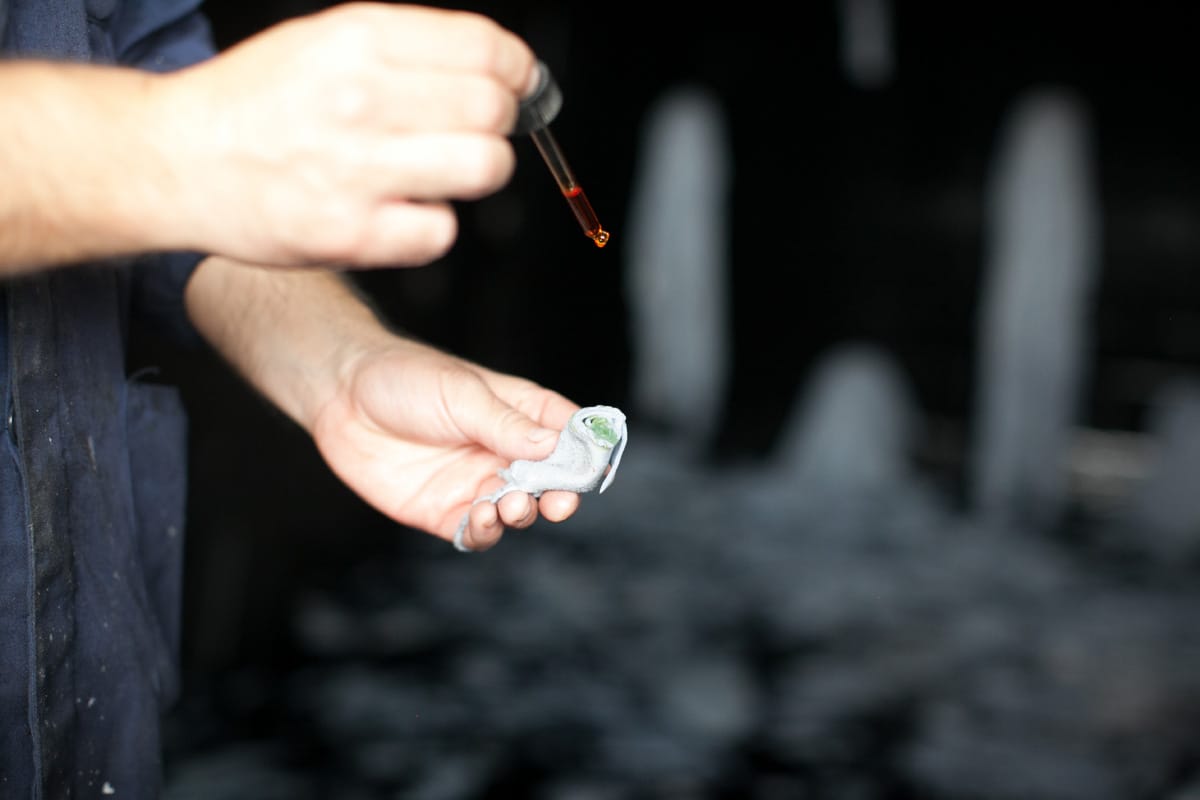
Del Vacchio’s experience demonstrates how an SME can make a tangible contribution to the sustainable development of the tanning sector. Through investment in innovation, supply chain traceability, green tanning, the circular economy and reduced consumption, the company combines quality, environmental responsibility and the development of skills.
Continuous training, health and safety at work and a focus on people round off a production model that looks to the future without forgetting the value of Italian manufacturing tradition. It is precisely this balance between innovation, know-how and sustainability that makes SMEs the true driving force behind the excellence of ‘Made in Italy’ around the world.